
Multilingual Town Hall Meeting Translation: Captions, Voice, and Planning
Town halls, all-hands meetings, and company-wide briefings bring everyone together to hear from leadership. In organizations with multilingual teams, making these meetings accessible across languages is both a communication challenge and a cultural one. When the CEO presents quarterly results to a team that includes Spanish, Mandarin, and Vietnamese speakers, the translation approach affects how well each person understands the message and how included they feel.
This article covers practical approaches to multilingual town hall translation, from planning the meeting to choosing translation methods to handling follow-up.
Why Town Hall Translation Matters
Employee Inclusion
When a significant portion of your workforce does not fully understand the meeting language, they are excluded from the conversation. Town halls are meant to build alignment and transparency. If some employees cannot follow the discussion, the meeting fails its purpose for those participants.
The US workforce is multilingual. The Census Bureau reports that over 67 million Americans speak a language other than English at home. For companies with diverse workforces, language access at company meetings is a practical need.
Source: https://www.census.gov/newsroom/press-releases/2023/language-at-home-acs-5-year.html
Message Accuracy
Company announcements often cover strategic direction, financial performance, organizational changes, and policy updates. Misunderstanding these messages can lead to confusion, rumors, or disengagement. Accurate translation of town hall content helps ensure that everyone receives the same information.
Legal and Regulatory Context
In some industries and jurisdictions, employers have obligations to provide information in languages that employees understand. While a town hall meeting may not itself be a regulated communication, the content discussed at town halls often relates to policies, benefits, and workplace rules that may need to be communicated in relevant languages.
The Equal Employment Opportunity Commission addresses language-related obligations in the workplace, which may be relevant depending on the content covered in your meetings.
Source: https://www.eeoc.gov/laws/guidance/eeoc-enforcement-guidance-national-origin-discrimination
Planning a Multilingual Town Hall
Assess Your Language Needs
Before the meeting, determine which languages your audience needs. Survey the attendee list or check with HR for the language demographics of your workforce. Focus on languages spoken by a meaningful number of attendees. For a 500-person company where 80 people speak Spanish primarily, Spanish translation is a clear priority.
Choose Your Translation Approach
The two main approaches for town hall translation are:
Real-time captions: Translated text appears on screen as the speaker talks. This is the most common approach for large meetings because it scales to many languages without requiring a separate audio channel for each.
Simultaneous interpretation: A human interpreter listens to the speaker and provides a translated audio stream in real time. Attendees tune into the interpretation channel for their language.
Each approach has trade-offs:
- Captions are cheaper, easier to set up, and work for written reference later. They require attendees to read while watching the presentation, which divides attention.
- Interpretation provides a more natural experience because attendees listen rather than read. It is more expensive and requires coordination with interpreters.
Many organizations use captions for the meeting and provide interpreted audio for the most common non-English language.
Prepare the Content
Share the presentation materials and talking points with your translation setup in advance. For caption-based translation, this means loading key terminology into the translation tool. For human interpreters, this means sharing the presentation slides and any prepared remarks so they can prepare.
Running the Meeting With Translation
Technology Setup
For caption-based translation, the main meeting platforms offer built-in features:
Zoom supports translated captions that display in the participant's chosen language.
Source: https://support.zoom.com/hc/en/article?id=zm_kb&sysparm_article=KB0059081
Microsoft Teams offers transcription and translated captions for meetings.
Source: https://learn.microsoft.com/en-us/microsoftteams/meeting-transcription-captions
Teams also has an Interpreter feature that provides translated audio.
Source: https://support.microsoft.com/en-us/office/interpreter-in-microsoft-teams-meetings-and-calls-c7efe2bb-535d-42ab-a5c4-d2d91619b46d
Google Meet offers translated captions for meetings.
Source: https://support.google.com/meet/answer/10964115?co=GENIE.Platform%3DDesktop&hl=en
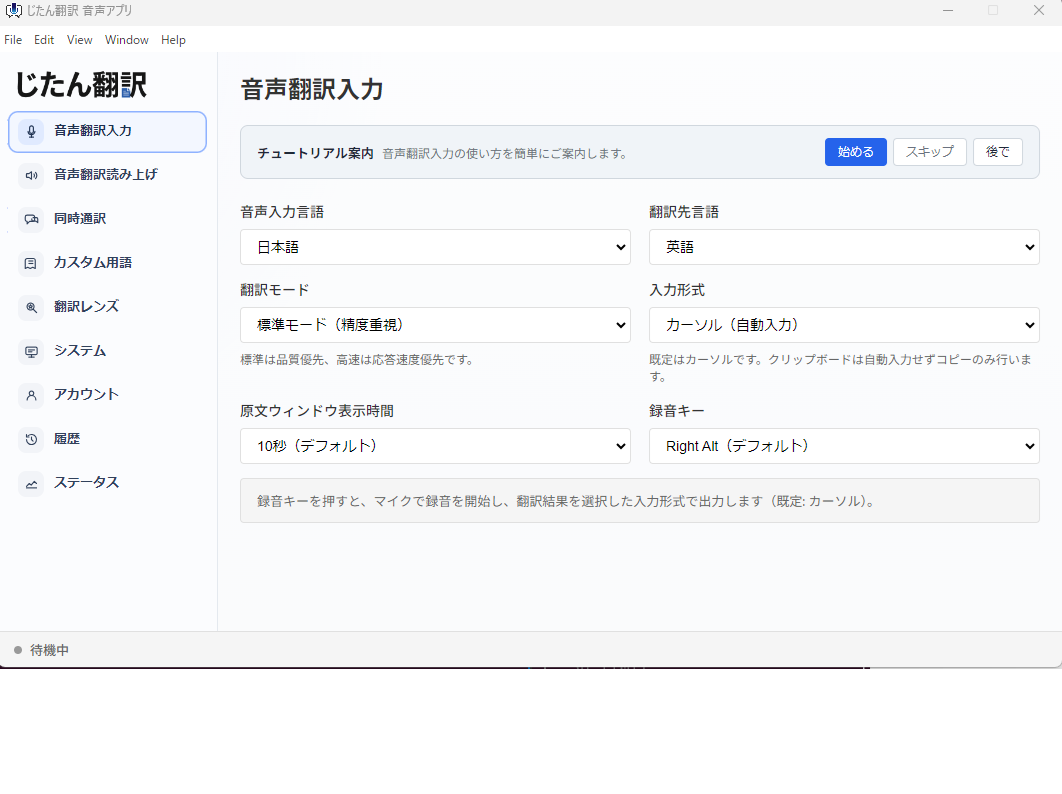
PC-based translation apps that work with computer audio can also provide real-time captions for meetings on any platform.
Presenter Guidelines
Speakers at multilingual town halls should follow these practices:
- Speak at a moderate pace. Rapid speech reduces caption and interpretation accuracy.
- Use simple, direct language. Avoid idioms, cultural references, and complex sentence structures that translate poorly.
- Pause between major sections. This gives translation systems time to process and gives attendees time to read captions.
- Repeat key announcements. If a point is important, say it more than once to increase the chance that the translation captures it accurately.
- Reference slides by number. Instead of "as you can see here," say "on slide 5." This helps caption-based attendees find the visual reference.
Managing Q&A
The question-and-answer segment is the hardest part of a multilingual town hall to translate. Questions from the audience arrive unscripted, in multiple languages, and often with informal or colloquial language.
Practical approaches:
- Collect questions in writing through a chat or Q&A tool. Written questions translate more reliably than spoken ones because they avoid the speech recognition step.
- Have the moderator repeat or rephrase questions before they are answered. This gives the translation system a clean, clear version of the question.
- Provide the answer in writing as well as speech when possible. The written version serves as a reference for attendees who may have missed the spoken translation.
After the Meeting
Transcript Distribution
Generate a transcript of the meeting and have it translated for distribution. This gives attendees a written reference they can review at their own pace. Many meeting platforms automatically produce transcripts that can be translated.
Follow-Up Materials
Translate any follow-up communications, slide decks, or policy documents that were referenced in the town hall. These materials often contain the specific details that matter most to employees: dates, amounts, process changes, and contact information.
For formatted documents like slide decks and policy PDFs, tools designed to handle document translation can help produce translated versions that are closer to the original layout, with review recommended before distribution.
Feedback Collection
Ask attendees about their experience with the translation. Did they feel they could follow the meeting? Were the captions or interpretation clear enough? What would improve the experience? This feedback helps you refine your approach for future meetings.
Common Challenges
Technical Difficulties
Translation technology can fail during live meetings. Audio issues, caption delays, and language detection errors are common. Always have a backup plan: distribute translated slides in advance, record the meeting for later translation, and have bilingual team members available to answer questions.
Attention Division
When attendees are reading captions while trying to watch slides and listen to the speaker, their attention is divided. Consider posting translated slides alongside the captions so attendees can focus on reading the slides in their language rather than reading live captions.
Informal Content
Town halls often include informal segments: shout-outs, jokes, banter between presenters. This content translates poorly and may create confusion or cultural misunderstandings. Presenters should be aware that informal remarks may not translate well and should either keep them simple or accept that they may not reach all audiences equally.
Multiple Language Priorities
When you have speakers of three or more languages in the audience, you cannot provide caption-based translation for all of them simultaneously on most platforms. Prioritize the most common languages and provide translated recordings or transcripts for the others after the meeting.
Remote and Hybrid Town Hall Translation
Many organizations now run town halls with a mix of in-person and remote attendees, which adds complexity to multilingual translation.
In-Person Attendees Watching Remote Presenters
When speakers join remotely but the audience is in a conference room, captions displayed on the room's screens need to be large enough to read from the back row. Consider using a dedicated monitor for translated captions rather than overlaying them on the presentation slides. Test the font size from the farthest seat in the room before the event begins.
Remote Attendees Watching In-Person Presenters
Remote attendees rely entirely on the audio and video feed from the room. Room acoustics, microphone placement, and background noise all affect caption quality for remote participants. Use dedicated microphones for presenters rather than relying on room microphones. Ceiling-mounted conference phones pick up echo and ambient noise that degrade speech recognition, which in turn reduces caption accuracy for remote viewers.
Multiple Room Locations
Some organizations run town halls across multiple office locations connected by video. In this setup, each location may need its own translation solution. One location might have Spanish-speaking employees who need Spanish captions, while another location has Mandarin speakers. Coordinate with IT at each location to configure the appropriate language support before the event.
Recording and On-Demand Access
Remote and hybrid town halls should always be recorded with captions embedded. Employees in different time zones may not attend the live session and will watch the recording later. Ensure that the recorded version includes translated captions that can be toggled on. Most meeting platforms support caption embedding in recordings, but verify this before relying on it. Distribute the recording link with instructions for enabling captions in each supported language.
Source: https://www.section508.gov/manage/laws-and-policies/
Building a Sustainable Process
Standardize Your Setup
Create a standard configuration for multilingual town halls: which platform to use, which languages to support with captions, which languages need interpretation, and what follow-up materials to translate. Having a standard setup reduces preparation time and ensures consistency.
Train Presenters
Brief all town hall presenters on how to present for translation. A short guide covering pace, language simplicity, and slide design for multilingual audiences can improve translation quality significantly.
Budget for Translation
Include translation costs in your town hall budget. This includes interpretation services, document translation for follow-up materials, and any technology subscriptions needed for caption-based translation.
Track and Improve
After each multilingual town hall, assess what worked and what did not. Track attendance, engagement, and feedback for translated versus non-translated attendees. Use this data to improve the experience over time.
Practical Tips
- Share translated slides before the meeting. Attendees who struggle with live captions can follow along with the translated slide deck.
- Test the translation setup with a dry run. Have someone present a few slides with the translation active to catch technical issues before the real meeting.
- Designate a bilingual point of contact for each language. Attendees who miss something in the translation can follow up with this person.
- Keep the meeting recording available with captions. This lets attendees review any content they missed during the live session.
- Communicate clearly about what translation is available. Tell attendees before the meeting which languages will have captions, interpretation, or translated follow-up materials.
Multilingual town hall translation is a practical investment in employee inclusion and communication quality. By planning ahead, choosing the right approach for your audience size and language needs, and following up with translated materials, you can make company-wide meetings accessible to your entire team.
For more on meeting translation tools, see this guide to real-time translation for Zoom, Teams, and Google Meet.